
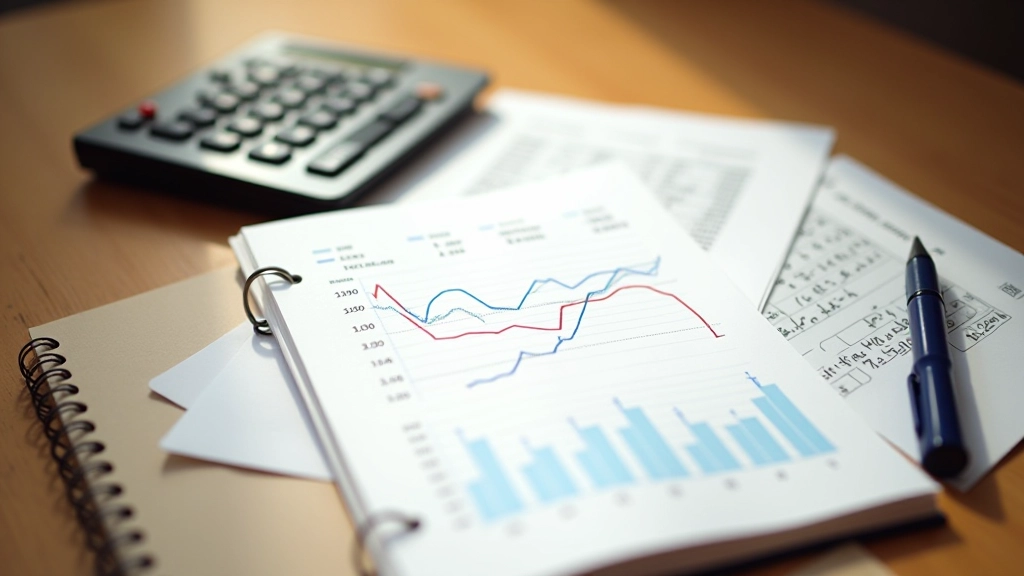
How to Track Real Estate Price Changes in Your City
Simple methods for monitoring property value trends using public data sources and understanding what the numbers actually mean for your situation.
Read MoreExplore real estate trends, rental dynamics, and affordability challenges across Indian cities. Resources to track price movements and understand market fundamentals.
Detailed guides and analysis on housing costs, rental trends, and real estate metrics
Simple methods for monitoring property value trends using public data sources and understanding what the numbers actually mean for your situation.
Read More
Rental indices measure how quickly housing costs are rising. We break down what these indices mean and why landlords and tenants both need to understand them.
Read More
Housing affordability isn’t just about the rent or purchase price. We explore income ratios, hidden costs, and how to evaluate whether accommodation fits your budget.
Read More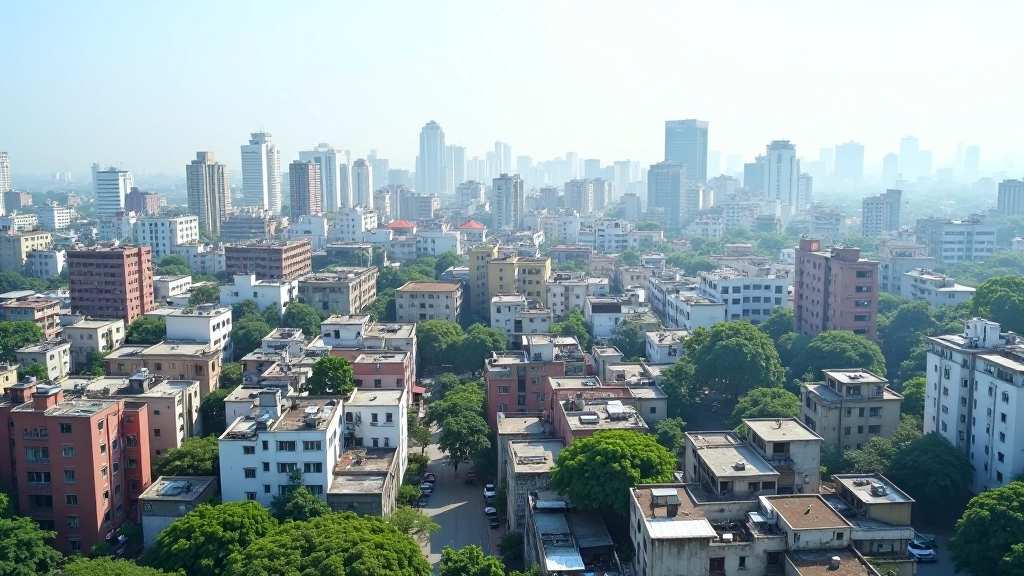
Delhi, Mumbai, Bangalore, and Hyderabad face different housing challenges. This resource compares inflation rates, affordability gaps, and regional rental trends across major urban centers.
Read MoreThis metric compares property prices to annual rental income. A high ratio suggests buying might not offer good value compared to renting. It’s calculated by dividing the property price by annual rent. When this ratio climbs steeply, it often signals a speculative market where prices are rising faster than rental income — a warning sign for affordability.
This measures what percentage of household income goes toward housing costs (rent or mortgage). Most experts recommend housing shouldn’t exceed 30% of income. When this number climbs above 40-50%, it indicates a serious affordability crisis where families struggle to meet other basic needs.
This shows how quickly housing costs are increasing annually. A 10% growth rate means prices or rents are rising 10% each year. In high-inflation markets like Indian metros, growth rates of 8-15% aren’t uncommon — creating situations where incomes can’t keep pace with housing costs.
This is the annual rental income divided by property price, expressed as a percentage. A property worth 50 lakhs generating 4 lakhs in annual rent has a 8% yield. Higher yields suggest better investment returns from renting out property, while lower yields indicate the market is more price-driven than income-driven.
Understanding housing inflation isn’t just about real estate investors. Rising housing costs affect everyone — from young professionals starting their careers to families seeking better neighborhoods to retirees planning their futures.
Housing represents the largest expense for most households. When prices and rents inflate faster than incomes, it creates genuine economic stress. Families spend less on food, education, and healthcare. Young people delay major life decisions. The market becomes less about shelter and more about wealth accumulation.
That’s why tracking these trends matters. Whether you’re renting, buying, or simply curious about your city’s economic health, understanding housing inflation helps you make informed decisions. Data-driven analysis removes emotion from the conversation and shows what’s actually happening in the market.
This resource collection brings together practical tools and clear explanations. You’ll learn how to read rental indices, interpret price trends, and assess affordability in your specific situation. No financial jargon — just straightforward information to help you understand your local housing market better.