

How to Track Real Estate Price Changes in Your City
Simple methods for monitoring property value trends using public data sources and accessible tools…
Read MoreDelhi, Mumbai, Bangalore, and Hyderabad face different housing challenges. We’re breaking down inflation rates, affordability gaps, and rental trends across major urban centers to help you understand where prices are actually heading.
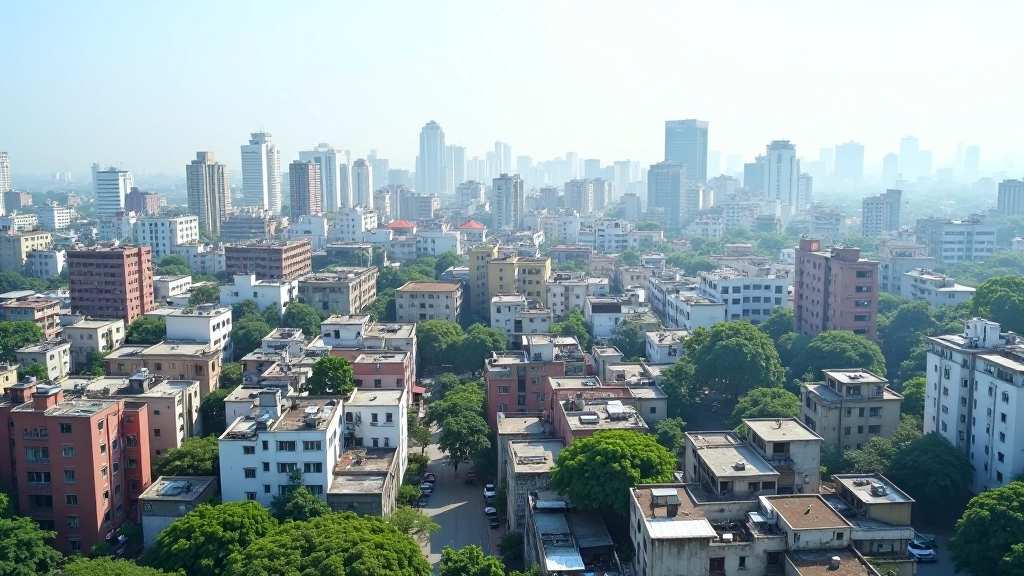
Housing costs don’t just affect your rent or mortgage. They’re connected to everything — your savings, job location decisions, family planning, and long-term financial stability. When rental prices climb 15-20% in a single year, it reshapes entire cities.
The four largest metros — Delhi, Mumbai, Bangalore, and Hyderabad — tell very different stories. Mumbai’s premium pricing reflects geography and historical demand. Bangalore’s growth mirrors tech industry expansion. Hyderabad’s affordability attracts newcomers. Delhi’s volatility reflects regulatory changes and supply constraints. Understanding these patterns isn’t just interesting — it’s essential if you’re planning where to live or invest.
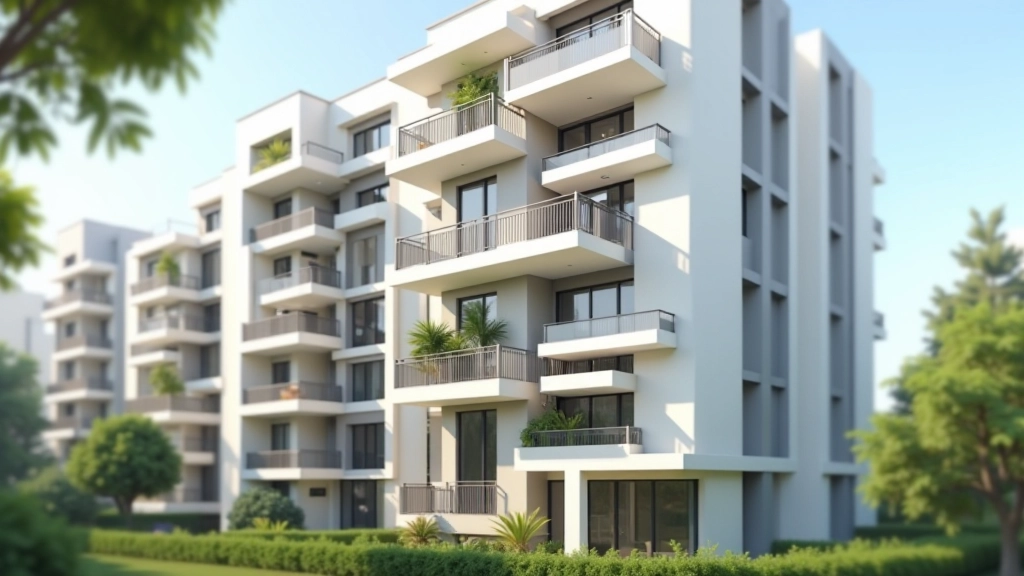
Here’s how housing costs break down across India’s major cities, and what’s actually driving those numbers.
Mumbai’s housing costs are India’s highest. Limited land availability — the city’s built on an island — means fewer new apartments and stronger price pressure. Rental growth averages 8-12% annually. Premium neighborhoods like Bandra and Worli command 100k+ monthly rents for 2-bedroom apartments.
Delhi’s housing market is volatile. Rental prices fluctuate with regulatory changes, supply developments, and economic cycles. South Delhi commands premium pricing (60-80k for 2-bedroom), while periphery areas like Noida offer budget options. Annual growth ranges 6-10%, but some years see stagnation.
Bangalore’s growth mirrors the IT boom. Over the past 8 years, rental costs have climbed steadily — averaging 9-11% annually. Tech hubs like Whitefield and Indiranagar are now competing with older central areas. The influx of young professionals keeps demand consistently high, but supply’s been catching up recently.
Hyderabad’s the affordability leader among the four. Growth is solid (7-9% annually) without the extreme price spikes you’ll see elsewhere. The city’s been smart about infrastructure development, which’s kept supply more balanced. New IT parks in Hitech City continue attracting talent, but rents remain manageable compared to peers.
Housing prices aren’t random. They’re shaped by specific, measurable factors that you can track and understand.
Mumbai’s constrained by water. Delhi’s sprawling across NCR. Bangalore’s expanding into tech corridors. Hyderabad’s got room to grow. Less available land = higher prices. It’s that straightforward. Cities with expansion potential (like Hyderabad) see slower price growth. Cities with natural constraints (like Mumbai) see aggressive appreciation.
Where jobs are, people follow. Mumbai’s financial services sector creates consistent rental demand. Bangalore’s IT boom drove prices up 40%+ over five years. Hyderabad’s emerging IT sector’s attracting talent without overwhelming supply. Delhi’s diverse economy creates stable baseline demand. Job concentration directly correlates with rent increases.
When new apartments get built faster than population grows, prices stabilize or decline. When supply lags demand, prices spike. Hyderabad’s recent infrastructure investments have boosted supply. Mumbai’s struggled with approvals and construction delays. Bangalore’s seen supply catch up to demand in 2024-2025. Delhi’s fragmented jurisdiction slows coordinated development.
Rent control policies, registration taxes, and zoning rules shape prices indirectly. Delhi’s frequent policy changes create uncertainty. Mumbai’s stricter regulations on new construction constrain supply. Bangalore’s been relatively stable. Hyderabad’s proactive infrastructure planning signals stability. Predictable regulation = steady prices. Volatile regulation = price spikes.

You don’t need expensive reports. Here’s where to find reliable housing cost data.
Sites like Magicbricks, 99acres, and Housing.com aggregate thousands of listings. You’ll see actual rental prices people are asking, neighborhood trends, and year-over-year changes. Filter by neighborhood and apartment size to track specific segments.
The Reserve Bank publishes housing price indices quarterly. NITI Aayog tracks affordable housing metrics. Municipal corporations maintain property registration data. These official sources are slower but more reliable than portals.
Property registration documents (available through municipal records) show actual transaction prices. These are public records in most cities. Tracking registrations over time gives you real market data, not just asking prices.
Firms like Knight Frank, JLL, and Cushman & Wakefield publish quarterly market reports on each metro. These are commercial reports, but executive summaries are often freely available. They include historical trends and forward-looking analysis.

Understanding metro housing costs isn’t academic. It affects real decisions you’ll make about where to live, whether to rent or buy, and how much of your income should go toward housing.
“Housing affordability’s becoming the defining issue in Indian metros. When a 2-bedroom apartment costs 60k+ monthly, you’re spending 40-50% of income on rent if you’re a professional. That’s unsustainable.”
— Housing analyst perspective
If you’re considering relocating for a job, factor in housing costs. A higher salary in Mumbai might not go further if rent consumes more of your income. Bangalore’s growth trajectory suggests rents will keep climbing. Delhi’s unpredictability requires flexibility. Hyderabad offers stability without sacrificing urban amenities.
Housing costs across Indian metros aren’t converging. They’re diverging. Mumbai stays premium due to constraints. Bangalore’s climbing because of tech growth. Hyderabad’s balancing demand with smart development. Delhi’s riding volatility.
The smartest move? Track these trends yourself using the data sources we’ve mentioned. Don’t rely on guesses or outdated information. Housing’s too important — and too expensive — to get wrong.
This resource provides educational information about housing cost trends and market analysis across Indian metros. All data, statistics, and examples are for informational purposes only and reflect general market conditions as of February 2026. Housing markets are dynamic and prices vary significantly within cities based on location, amenities, and timing. Individual housing decisions should account for your specific circumstances, income level, and long-term goals. This information isn’t financial or investment advice. Consult local real estate professionals, financial advisors, and conduct your own research before making housing-related decisions. Markets change, and individual experiences will differ from general trends described here.