


RentalTrack India Logo RentalTrack India Contact Us
Contact Us
Tracking Guide

How to Track Real Estate Price Changes in Your City

Simple methods for monitoring property value trends using public data sources and understanding what the numbers actually mean for your situation.

7 min read Beginner March 2026
Notebook with financial calculations and real estate price charts on desk

Why You Should Track Property Prices

Property prices in Indian cities move constantly. Whether you’re thinking about buying, renting, or just curious about your neighborhood, understanding these changes matters. It’s not complicated — you don’t need special finance knowledge or expensive tools.

We’ll show you how to find reliable data, track trends yourself, and actually understand what you’re looking at. The goal isn’t to become a real estate analyst. It’s just to get smart about the market around you.

Person analyzing property price data on tablet with graphs and charts visible

Three Core Tracking Methods

Each method gives you different information. Together, they create a complete picture.

01

Government Property Records

Registration offices maintain stamp duty data — the official price at which properties were bought and sold. This is public information. You can visit your district’s sub-registrar office and request historical records for specific addresses. Most cities now have online portals. It’s free and absolutely official.

02

Online Real Estate Portals

Sites like MagicBricks, 99acres, and Housing track current asking prices. They’re not perfect — asking price isn’t always actual selling price — but they show you what sellers want. Look at the same property type and location over 6-12 months to spot trends. Compare multiple listings, not just one.

03

Price Index Reports

NITI Aayog, Reserve Bank of India, and private research firms publish quarterly price indices by city and neighborhood. These aggregate thousands of transactions and show percentage changes. They’re slower to update but give you the big picture. Look for “housing price index” or “residential price index” reports.

Where to Find Reliable Data

The challenge isn’t finding data — it’s finding good data. You’ve got options.

Sub-Registrar Offices

Free, official, historically complete. Slowest to access — it’s a manual process. But it’s the most trustworthy.

Municipal Property Tax Records

Property tax assessments reflect estimated values. Not always current, but they’re transparent and tied to official valuations.

RBI Housing Price Index

Quarterly updates covering major cities. Shows percentage changes, not absolute prices. Available free on RBI website.

Real Estate Portal Trends

MagicBricks, 99acres publish monthly trend reports. They’re marketing materials, but the data’s based on actual listings.

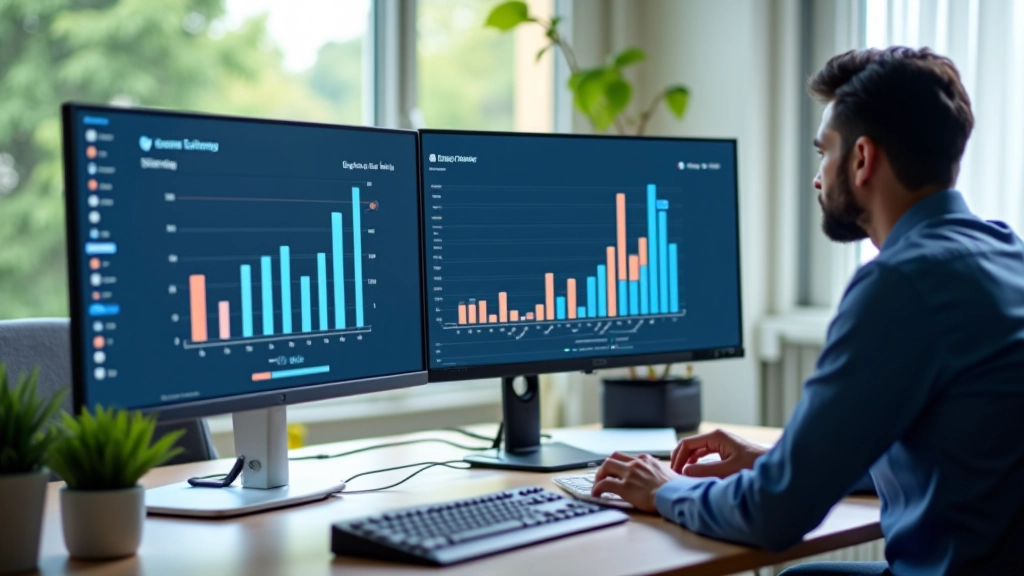
Computer monitor displaying real estate property data dashboard with price trends and neighborhood statistics

Understanding What You’re Looking At

Numbers mean nothing if you don’t know how to read them.

Price Per Square Foot

This is the standard metric. A 1000 sq ft apartment selling for 50 lakhs is 5000 per sq ft. Track this number over time, not the total price. A neighborhood with rising per-sq-ft rates is experiencing real appreciation.

Year-on-Year Change

Price indices show percentage changes — usually reported as “prices up 5% YoY” (year-on-year). This is more useful than absolute numbers because it shows momentum. Is the market accelerating or slowing?

Price Range vs. Average

Don’t just look at average prices. They’re skewed by luxury properties. Look at ranges instead. “Most 2-bedroom apartments in this area sell between 40-60 lakhs” tells you more than “average price is 52 lakhs.”

Location Variation

Price changes aren’t uniform across a city. A neighborhood 5km away might have different trends. Track the specific area you care about, not just the city overall. Micro-markets behave differently.

A Simple Tracking System You Can Start Today

You don’t need complex spreadsheets. Here’s what actually works.

Step 1

Choose Your Area

Pick a neighborhood or locality. Be specific — “South Delhi” is too broad. “Lajpat Nagar” is right.

Step 2

Set Your Baseline

Find 3-5 similar properties (same size, condition, amenities) and note their asking prices. This is your starting point.

Step 3

Check Quarterly

Every three months, look at the same properties again. Have they sold? What are new listings in the area asking? Note the changes.

Step 4

Track Patterns

After 12 months, you’ll see the trend. Is your area appreciating? Staying flat? Going down? That’s what matters.

“Price tracking isn’t about predicting the future. It’s about understanding where you are right now and recognizing change when it happens.”

Handwritten notes and calculations on notebook tracking property price data with calculator nearby

Context Matters: What Moves Prices

Infrastructure Development

New metro lines, highways, or commercial hubs push prices up in surrounding areas. Track announced projects — they affect value 2-3 years before completion.

Interest Rates

When RBI raises rates, home loans get expensive. Demand drops, prices stagnate. When rates fall, demand increases. This cycle takes 6-12 months to show up in prices.

Supply Changes

New apartment complexes launching in an area increase supply. More supply usually means slower price growth. Conversely, restricted supply drives prices higher.

Local Employment

Job creation attracts people. More people means more demand for housing. Tech parks, manufacturing hubs, corporate offices all influence local prices.

Start Tracking Today

Real estate price tracking isn’t mysterious. You’re just watching numbers over time and spotting patterns. The tools exist — they’re public and mostly free. Government records, online portals, official indices — you’ve got everything you need.

Start with one neighborhood. Spend 30 minutes finding baseline prices. Check back in three months. That’s it. After a year, you’ll understand your local market better than most people who live there.

About This Information

This article provides educational information about tracking real estate prices. It’s not financial advice or investment guidance. Property prices depend on countless local factors, and trends can change. Always consult with qualified real estate professionals, registered valuers, or financial advisors before making buying or selling decisions. Past price trends don’t guarantee future performance. Property transactions involve legal and financial complexities that require professional guidance specific to your situation.